For centuries, a simple piece of fabric has been an indispensable tool in kitchens, dairies, and craft rooms. That tool is cheesecloth. Far more than just a cheese-making accessory, this versatile, breathable cotton cloth is a multi-purpose hero for home cooks, bakers, and DIY enthusiasts. Whether you're clarifying butter, straining yogurt, or creating a beautiful ghost decoration, understanding the different types and grades of cheesecloth is key to achieving the best results.
What is Cheesecloth and Why is it So Useful?
At its core, cheesecloth is a lightweight, gauzy cotton fabric with a loose, open weave. Its primary function is to allow liquids to pass through while trapping solids. This makes it perfect for a myriad of tasks. In the kitchen, it's the secret to crystal-clear stocks and broths, smooth nut milks, and perfectly drained yogurt or labneh. For cheesemakers, it's essential for separating curds from whey. Beyond food, its gentle texture makes it ideal for polishing silver, applying stains to wood, or creating costumes and decorations. The beauty of modern cotton cheesecloth is that many options are now reusable and durable, moving beyond the single-use sheets of the past.
Understanding Cheesecloth Grades: The Key to the Right Job
Not all cheesecloth is created equal. It comes in numbered grades that indicate the thread count and tightness of the weave, which directly impacts what it can do.
Grade 100: Often called "butter muslin," this is the finest, tightest weave available. It's designed to catch the tiniest particles, making it the gold standard for straining yogurt to make Greek yogurt or labneh, clarifying butter to remove all milk solids, and making soft cheeses like ricotta or queso fresco where a smooth texture is desired. Products like the Cotton Farm Grade 100 XL Cheese Cloth exemplify this ultra-dense, professional-quality fabric.
Grade 90: A slightly more open weave than Grade 100, it's excellent for general food straining tasks like making nut bags for milks, straining fruit pulps for jellies, or bundling herbs for a bouquet garni.
Grade 80 & Below: These have progressively more open weaves. They are suitable for tasks where you want to separate larger solids from liquids, like lifting a poached fish from its court-bouillon, or for non-culinary uses like crafts and cleaning.
When selecting a cloth, consider the comprehensive guide to Grade 100 cheesecloth to understand why it's often the recommended choice for serious food preparation.
Top Uses for Your Kitchen Cheesecloth
The applications for this humble cloth are nearly endless. Here are some of the most popular:
- Cheesemaking: The namesake use. It lines molds for pressed cheeses and is used to drain and hang soft cheeses. A cheese making cloth is a fundamental piece of cheesemaking supplies.
- Straining & Clarifying: Achieve silky-smooth sauces, clear consommés, and pure golden clarified butter or ghee.
- Yogurt & Dairy: Transform regular yogurt into thick, creamy Greek yogurt or Middle Eastern labneh.
- Juicing: Use it as a juicing cheesecloth bag to squeeze every last drop of juice from pulpy fruits or to make fresh nut milks.
- Herb & Spice Sachets: Create disposable bags for herbs and spices to flavor soups, stews, and stocks, easily removed before serving.
- Turkey Preparation: A cooking turkey classic: soaking it in butter or broth and draping it over the bird to keep the breast meat moist during roasting.
- Baking: Use as a baking cloth for proofing bread dough or dusting surfaces with flour.
Choosing the Best Cheesecloth for Your Needs
With so many options, how do you choose? Here’s a quick buying guide based on common needs:
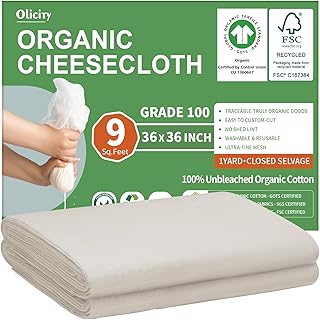
For the serious home cook or cheesemaker who values quality and sustainability, an Organic Cheese Cloth with GOTS certification offers peace of mind. Its unbleached, closed-edge design is made for heavy, repeated use.
For general kitchen tasks and convenience, a multi-pack of precut, hemmed cloths is ideal. The 6-Pack Beige Cheesecloth or the 12Pcs Reusable Cheese Cloths provide ready-to-use pieces for straining, juicing, and more, eliminating the need to cut from a bolt.
If you prefer a bleached, ready-to-use option available in many grocery stores, the GoodCook Everyday Cotton Cheesecloth is a reliable and accessible choice. You can learn more about its specific benefits in the dedicated GoodCook cheesecloth guide.
For crafts, polishing, or garden ties, a more economical, looser-weave grade or a simple option like MAJESTIC CHEF Natural Cheesecloth may be perfectly sufficient. A hands-on review can help you see if it fits your project needs.
Care and Tips for Reusable Cheesecloth
To get the most out of your reusable cloths, rinse them immediately in cold water after use to remove food particles. For a deeper clean, hand-wash or machine wash on a gentle cycle with mild detergent. Avoid fabric softeners, as they can clog the weave. Always air dry. Before first use, especially with unbleached cloths, rinse them to remove any loose lint.
From its roots in the dairy to its place as a modern cooking essential and craft supply, cheesecloth proves that the simplest tools are often the most powerful. By choosing the right grade and quality for your task—whether it's a dense Grade 100 cheesecloth for perfect yogurt or a versatile pack for DIY crafts—you unlock a world of culinary and creative potential.